Synopsis
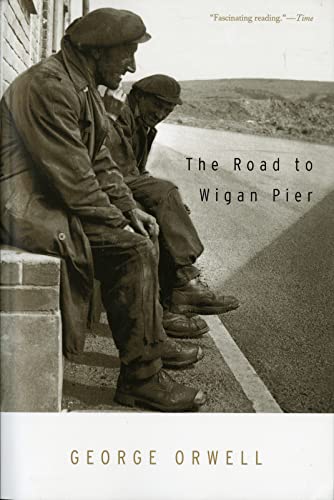
Before he authored the dystopian 1984 and the allegorical Animal Farm, George Orwell was a journalist, reporting on England's working class — an investigation that led him to examine democratic socialism. In the 1930s, the Left Book Club, a socialist group in England, sent George Orwell to investigate the poverty and mass unemployment in the industrial north of England. Once there, he went beyond the requests of the book club, to investigate the employed as well. Orwell chose to live as the coal miners did — sleeping in foul lodgings, subsisting on a meager diet, struggling to feed a family on a dismal wage, and going down into the hellish, backbreaking mines. What Orwell saw clarified his feelings about socialism, and in The Road to Wigan Pier, he pointedly tells why socialism, the only remedy to the shocking conditions he had witnessed, repelled "so many normal decent people." "Orwell's code was a simple one, based on truth and 'deceny'; he was important — and original — because he insisted on applying that code to his own Socialist comrades as well as to the class enemy...It is the best sociological reporting I know."—The New Yorker
"synopsis" may belong to another edition of this title.
About the Author
George Orwell (1903–1950), the pen name of Eric Arthur Blair, was an English novelist, essayist, and critic. He was born in India and educated at Eton. After service with the Indian Imperial Police in Burma, he returned to Europe to earn his living by writing. An author and journalist, Orwell was one of the most prominent and influential figures in twentieth-century literature. His unique political allegory Animal Farm was published in 1945, and it was this novel, together with the dystopia of 1984 (1949), which brought him worldwide fame.
"About this title" may belong to another edition of this title.
Other Popular Editions of the Same Title

Search results for The Road To Wigan Pier: (Authorized Orwell Edition):...

Seller Image
The Road To Wigan Pier
Published by
HarperCollins Publishers Inc, US, 2021
ISBN 10: 0156767503
ISBN 13: 9780156767507
New
Paperback
Seller: Rarewaves.com UK, London, United Kingdom
Seller rating 5 out of 5 stars

Paperback. Condition: New. Before he authored the dystopian 1984 and the allegorical Animal Farm, George Orwell was a journalist, reporting on England's working class - an investigation that led him to examine democratic socialism. In the 1930s, the Left Book Club, a socialist group in England, sent George Orwell to investigate the poverty and mass unemployment in the industrial north of England. Once there, he went beyond the requests of the book club, to investigate the employed as well. Orwell chose to live as the coal miners did - sleeping in foul lodgings, subsisting on a meager diet, struggling to feed a family on a dismal wage, and going down into the hellish, backbreaking mines. What Orwell saw clarified his feelings about socialism, and in The Road to Wigan Pier, he pointedly tells why socialism, the only remedy to the shocking conditions he had witnessed, repelled "so many normal decent people." "Orwell's code was a simple one, based on truth and 'deceny'; he was important - and original - because he insisted on applying that code to his own Socialist comrades as well as to the class enemy.It is the best sociological reporting I know."-The New Yorker. Seller Inventory # LU-9780156767507
Buy New
US$ 18.91
US$ 5.35 shipping
Ships from United Kingdom to Hong Kong
Ships from United Kingdom to Hong Kong
Quantity: Over 20 available
Seller Image
The Road To Wigan Pier
Published by
HarperCollins Publishers Inc, US, 2021
ISBN 10: 0156767503
ISBN 13: 9780156767507
New
Paperback
Seller: Rarewaves USA, OSWEGO, IL, U.S.A.
Seller rating 5 out of 5 stars
Paperback. Condition: New. Before he authored the dystopian 1984 and the allegorical Animal Farm, George Orwell was a journalist, reporting on England's working class - an investigation that led him to examine democratic socialism. In the 1930s, the Left Book Club, a socialist group in England, sent George Orwell to investigate the poverty and mass unemployment in the industrial north of England. Once there, he went beyond the requests of the book club, to investigate the employed as well. Orwell chose to live as the coal miners did - sleeping in foul lodgings, subsisting on a meager diet, struggling to feed a family on a dismal wage, and going down into the hellish, backbreaking mines. What Orwell saw clarified his feelings about socialism, and in The Road to Wigan Pier, he pointedly tells why socialism, the only remedy to the shocking conditions he had witnessed, repelled "so many normal decent people." "Orwell's code was a simple one, based on truth and 'deceny'; he was important - and original - because he insisted on applying that code to his own Socialist comrades as well as to the class enemy.It is the best sociological reporting I know."-The New Yorker. Seller Inventory # LU-9780156767507
Buy New
US$ 18.10
US$ 8.00 shipping
Ships from U.S.A. to Hong Kong
Ships from U.S.A. to Hong Kong
Quantity: 5 available
Seller Image
The Road To Wigan Pier
Published by
HarperCollins Publishers Inc, US, 2021
ISBN 10: 0156767503
ISBN 13: 9780156767507
New
Paperback
Seller: Rarewaves.com USA, London, LONDO, United Kingdom
Seller rating 5 out of 5 stars
Paperback. Condition: New. Before he authored the dystopian 1984 and the allegorical Animal Farm, George Orwell was a journalist, reporting on England's working class - an investigation that led him to examine democratic socialism. In the 1930s, the Left Book Club, a socialist group in England, sent George Orwell to investigate the poverty and mass unemployment in the industrial north of England. Once there, he went beyond the requests of the book club, to investigate the employed as well. Orwell chose to live as the coal miners did - sleeping in foul lodgings, subsisting on a meager diet, struggling to feed a family on a dismal wage, and going down into the hellish, backbreaking mines. What Orwell saw clarified his feelings about socialism, and in The Road to Wigan Pier, he pointedly tells why socialism, the only remedy to the shocking conditions he had witnessed, repelled "so many normal decent people." "Orwell's code was a simple one, based on truth and 'deceny'; he was important - and original - because he insisted on applying that code to his own Socialist comrades as well as to the class enemy.It is the best sociological reporting I know."-The New Yorker. Seller Inventory # LU-9780156767507
Buy New
US$ 20.89
US$ 5.35 shipping
Ships from United Kingdom to Hong Kong
Ships from United Kingdom to Hong Kong
Quantity: Over 20 available
Stock Image
The Road to Wigan Pier
Seller: Kennys Bookshop and Art Galleries Ltd., Galway, GY, Ireland
Seller rating 5 out of 5 stars
Condition: New. 1972. Paperback. . . . . . Seller Inventory # V9780156767507
Buy New
US$ 24.13
US$ 2.35 shipping
Ships from Ireland to Hong Kong
Ships from Ireland to Hong Kong
Quantity: 1 available
Stock Image
The Road to Wigan Pier: (Authorized Orwell Edition): A Mariner Books Classic
Published by
HarperCollins Publishers Inc, United States, 2021
ISBN 10: 0156767503
ISBN 13: 9780156767507
Used
Paperback
Seller: WorldofBooks, Goring-By-Sea, WS, United Kingdom
Seller rating 5 out of 5 stars
Paperback. Condition: Very Good. Before he authored the dystopian 1984 and the allegorical Animal Farm, George Orwell was a journalist, reporting on England's working class an investigation that led him to examine democratic socialism. In the 1930s, the Left Book Club, a socialist group in England, sent George Orwell to investigate the poverty and mass unemployment in the industrial north of England. Once there, he went beyond the requests of the book club, to investigate the employed as well. Orwell chose to live as the coal miners did sleeping in foul lodgings, subsisting on a meager diet, struggling to feed a family on a dismal wage, and going down into the hellish, backbreaking mines. What Orwell saw clarified his feelings about socialism, and in The Road to Wigan Pier, he pointedly tells why socialism, the only remedy to the shocking conditions he had witnessed, repelled "so many normal decent people." "Orwell's code was a simple one, based on truth and 'deceny'; he was important and original because he insisted on applying that code to his own Socialist comrades as well as to the class enemy.It is the best sociological reporting I know."The New Yorker. The book has been read, but is in excellent condition. Pages are intact and not marred by notes or highlighting. The spine remains undamaged. Seller Inventory # GOR003687488
Buy Used
US$ 19.00
US$ 8.05 shipping
Ships from United Kingdom to Hong Kong
Ships from United Kingdom to Hong Kong
Quantity: 2 available
Seller Image
The Road To Wigan Pier
Published by
HarperCollins Publishers Inc, US, 2021
ISBN 10: 0156767503
ISBN 13: 9780156767507
New
Paperback
Seller: Rarewaves USA United, OSWEGO, IL, U.S.A.
Seller rating 5 out of 5 stars
Paperback. Condition: New. Before he authored the dystopian 1984 and the allegorical Animal Farm, George Orwell was a journalist, reporting on England's working class - an investigation that led him to examine democratic socialism. In the 1930s, the Left Book Club, a socialist group in England, sent George Orwell to investigate the poverty and mass unemployment in the industrial north of England. Once there, he went beyond the requests of the book club, to investigate the employed as well. Orwell chose to live as the coal miners did - sleeping in foul lodgings, subsisting on a meager diet, struggling to feed a family on a dismal wage, and going down into the hellish, backbreaking mines. What Orwell saw clarified his feelings about socialism, and in The Road to Wigan Pier, he pointedly tells why socialism, the only remedy to the shocking conditions he had witnessed, repelled "so many normal decent people." "Orwell's code was a simple one, based on truth and 'deceny'; he was important - and original - because he insisted on applying that code to his own Socialist comrades as well as to the class enemy.It is the best sociological reporting I know."-The New Yorker. Seller Inventory # LU-9780156767507
Buy New
US$ 20.46
US$ 8.00 shipping
Ships from U.S.A. to Hong Kong
Ships from U.S.A. to Hong Kong
Quantity: 5 available
Stock Image
The Road To Wigan Pier: (Authorized Orwell Edition): A Mariner Books Classic
Seller: Ria Christie Collections, Uxbridge, United Kingdom
Seller rating 5 out of 5 stars
Condition: New. In. Seller Inventory # ria9780156767507_new
Buy New
US$ 18.80
US$ 10.67 shipping
Ships from United Kingdom to Hong Kong
Ships from United Kingdom to Hong Kong
Quantity: 3 available
Seller Image
Road to Wigan Pier
Seller: GreatBookPrices, Columbia, MD, U.S.A.
Seller rating 5 out of 5 stars
Condition: good. May show signs of wear, highlighting, writing, and previous use. This item may be a former library book with typical markings. No guarantee on products that contain supplements Your satisfaction is 100% guaranteed. Twenty-five year bookseller with shipments to over fifty million happy customers. Seller Inventory # 487583-5
Buy Used
US$ 10.85
US$ 19.99 shipping
Ships from U.S.A. to Hong Kong
Ships from U.S.A. to Hong Kong
Quantity: Over 20 available
Stock Image
The Road to Wigan Pier
Seller: medimops, Berlin, Germany
Seller rating 5 out of 5 stars
Condition: good. Befriedigend/Good: Durchschnittlich erhaltenes Buch bzw. Schutzumschlag mit Gebrauchsspuren, aber vollständigen Seiten. / Describes the average WORN book or dust jacket that has all the pages present. Seller Inventory # M00156767503-G
Buy Used
US$ 13.54
US$ 18.79 shipping
Ships from Germany to Hong Kong
Ships from Germany to Hong Kong
Quantity: 1 available
Seller Image
Road to Wigan Pier
Seller: GreatBookPrices, Columbia, MD, U.S.A.
Seller rating 5 out of 5 stars
Condition: New. Seller Inventory # 487583-n
Buy New
US$ 13.42
US$ 19.99 shipping
Ships from U.S.A. to Hong Kong
Ships from U.S.A. to Hong Kong
Quantity: 1 available